

CARICOM Backs New Regional Plan to Protect Health Systems From Climate Change
CARICOM health ministers have endorsed a new 2026–2031 regional action plan aimed at protecting Caribbean communities and health systems from the growing health effects of hurricanes, extreme heat, flooding, drought and disease.
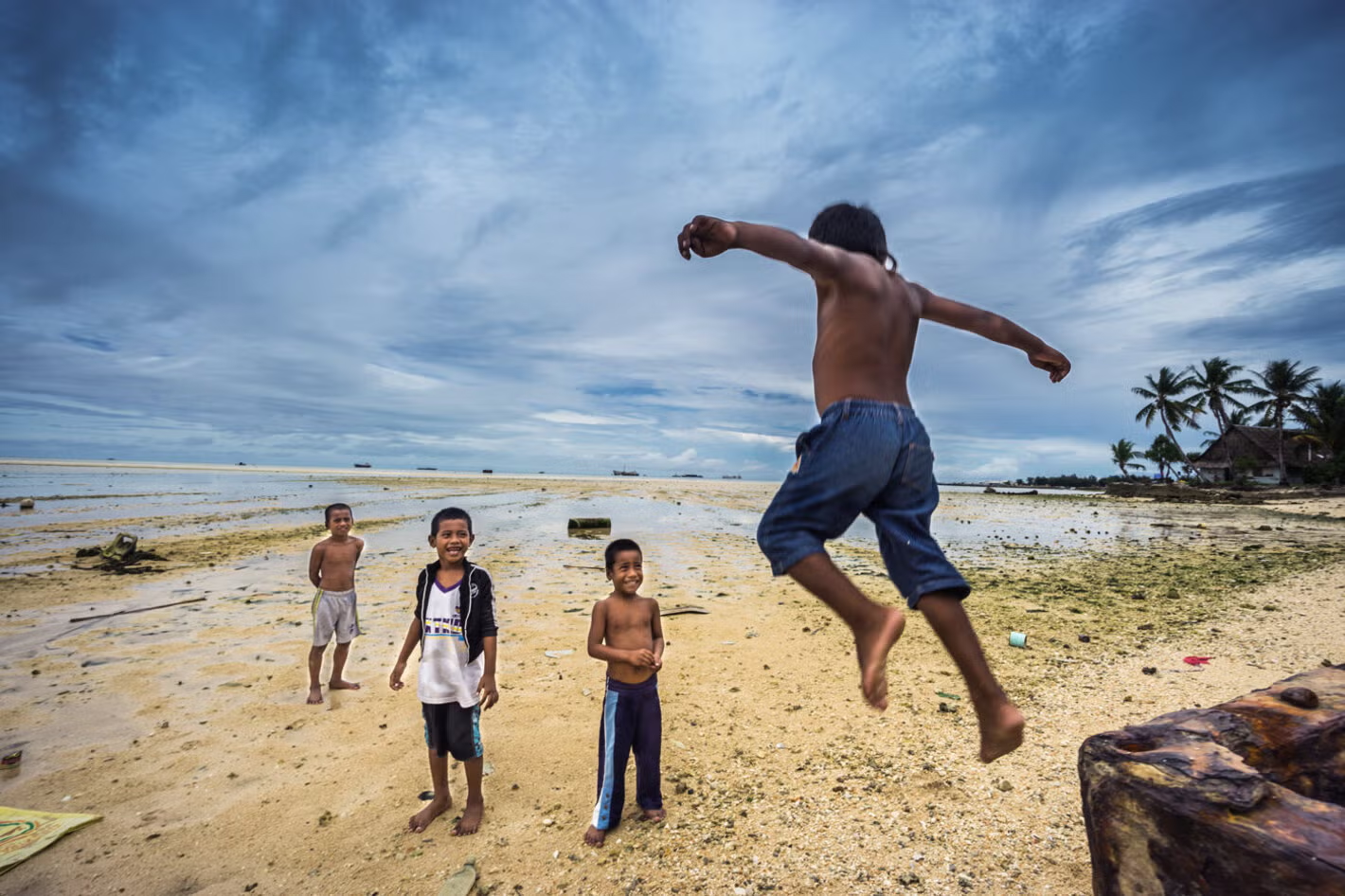
Caribbean health ministers have endorsed a new regional plan aimed at strengthening health systems and protecting communities from the increasing health risks associated with climate change. The Caribbean Action Plan on Health and Climate Change 2026–2031 was endorsed during the 53rd Meeting of CARICOM's Council for Human and Social Development on Health, held at the Pan American Health Organization headquarters in Washington, D.C. Pan American Health Organization The plan was developed with support from PAHO and the World Health Organization and focuses on preparing Caribbean countries for health threats linked to hurricanes, extreme heat, flooding, drought and changing patterns of vector-borne diseases such as dengue. Climate-related disasters have already damaged hospitals and health centres across the Caribbean and disrupted access to essential medical services. Small island states face particular risks because of their exposure to natural hazards and other vulnerabilities. Pan American Health Organization Under the new plan, countries will work on improving disease surveillance and early-warning systems, strengthening health infrastructure and preparing healthcare workers to respond to climate-related emergencies. The framework also calls for Caribbean health systems to reduce their environmental impact through measures including renewable energy, more efficient operations, sustainable procurement and improved waste management. Another major focus will be securing financing to help countries implement climate and health programmes over the long term. PAHO Director Dr. Jarbas Barbosa said the regional plan represents a shared commitment to strengthening Caribbean health systems and protecting communities from climate and environmental threats. The new 2026–2031 framework builds on an earlier regional programme under which more than 2,500 health professionals across 15 countries received climate-and-health training, while seven countries expanded multi-hazard early-warning systems. Pan American Health Organization Implementation of the new plan will be led by individual countries, with PAHO and WHO providing technical assistance.
Reader comments
Share your thoughts. Comments appear after approval. No account or email required.