

CARICOM Urges Caribbean to Prepare for Next Pandemic
CARICOM is urging Caribbean countries to strengthen pandemic preparedness, warning that the region’s dependence on tourism, international travel and limited resources could increase its vulnerability during future health emergencies.
# CARICOM Calls on Caribbean to Strengthen Pandemic Preparedness
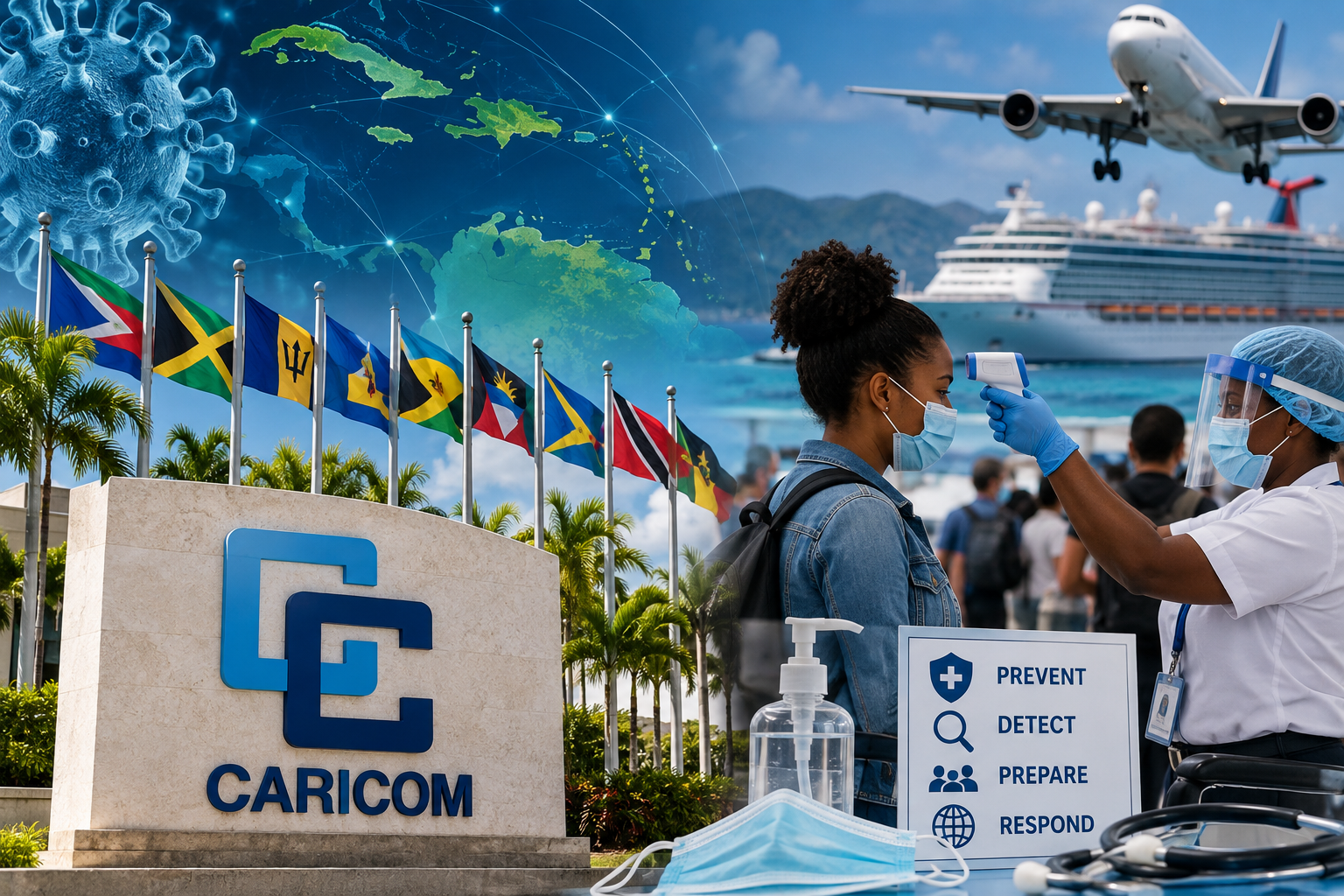
CARICOM is calling on Caribbean countries to strengthen their preparedness for future pandemics, warning that the region’s open borders, heavy dependence on tourism and international travel, and limited resources could leave member states particularly vulnerable during another major health emergency.
The call was made during a high-level United Nations meeting on pandemic prevention, preparedness and response, where Haiti delivered a statement on behalf of the Caribbean Community.
CARICOM stressed that lessons learned from the COVID-19 pandemic should be used to improve the region’s ability to identify and respond to emerging health threats before they develop into larger crises.
“We need to beef up our capacity for prevention and for early detection of health threats,” Haiti said on behalf of CARICOM.
The regional bloc emphasized the importance of stronger surveillance, early detection and preparedness systems across Caribbean countries, particularly given the movement of people throughout the region and its close links with international travel.
Former New Zealand Prime Minister Helen Clark also addressed the meeting, highlighting concerns about global financing for pandemic preparedness.
Clark said the international community remains well below the estimated US$15 billion needed annually to close existing preparedness gaps.
“Emergencies should trigger reliable pre-announced funding, not scramble for dollars,” Clark said, stressing the need for financing mechanisms that can quickly release resources when a health emergency occurs.
World Health Organization Director-General Dr. Tedros Adhanom Ghebreyesus said the COVID-19 pandemic exposed major weaknesses in global preparedness and warned governments against becoming complacent.
According to Tedros, another pandemic is a question of “when, not if,” underscoring the need for countries to strengthen their health systems and continue international cooperation on pandemic preparedness.
He also urged countries to complete negotiations surrounding the WHO Pandemic Agreement, which is intended to strengthen international coordination and response to future pandemic threats.
For Caribbean countries, CARICOM’s message was clear: improving prevention, early detection and response capacity will be critical to reducing the health, social and economic impact of the next major global health emergency.
Reader comments
Share your thoughts. Comments appear after approval. No account or email required.